Embedding sustainability into the operating model of a global coffee trader
The business challenge
The organisation had defined a clear sustainability strategy and made significant investments to support it. However, sustainability was still largely carried by a dedicated function and not consistently embedded into how teams operated, made decisions, or engaged clients.
Across regions and functions, teams interpreted priorities differently. Employees lacked a shared understanding of what the strategy meant for their role, and leadership was concerned that — without broader alignment — sustainability would remain an add-on rather than a driver of long-term value.
The core risk was clear: significant investment without sufficient organisational traction or return.
The approach
I worked with senior leadership to design a process that focused on alignment, ownership, and operational relevance, rather than rolling out another top-down initiative.
The work centred on three priorities:
Leadership alignment and sponsorship
Engaging the C-suite and senior management early to ensure sustainability was positioned as a core business priority, with clear expectations for leadership involvement and accountability.Translating strategy into operating reality
Working across trade, finance, IT, operations, and sustainability teams to translate strategic ambition into clear implications for day-to-day decision-making and commercial practice.Building ownership across the value chain
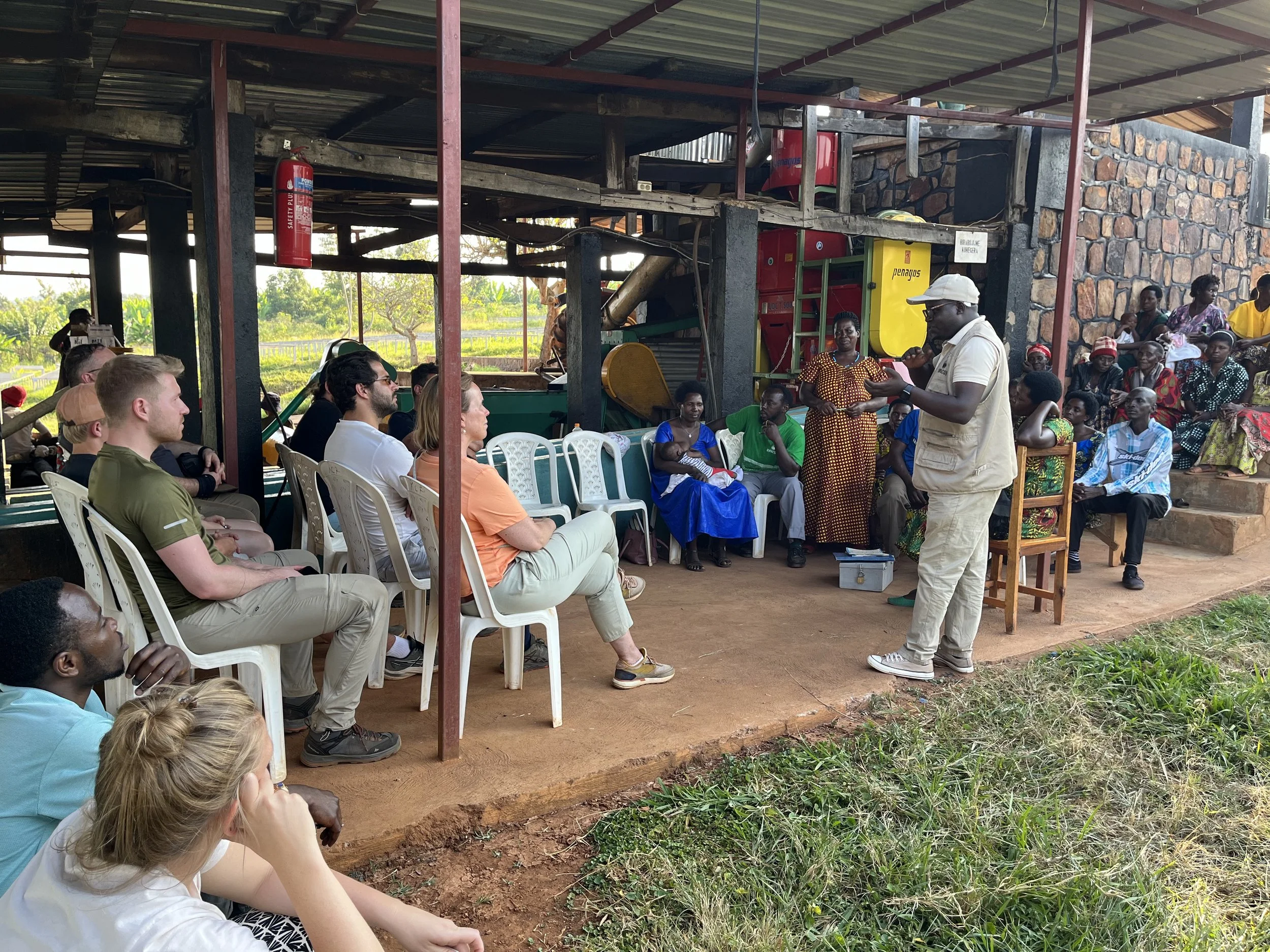
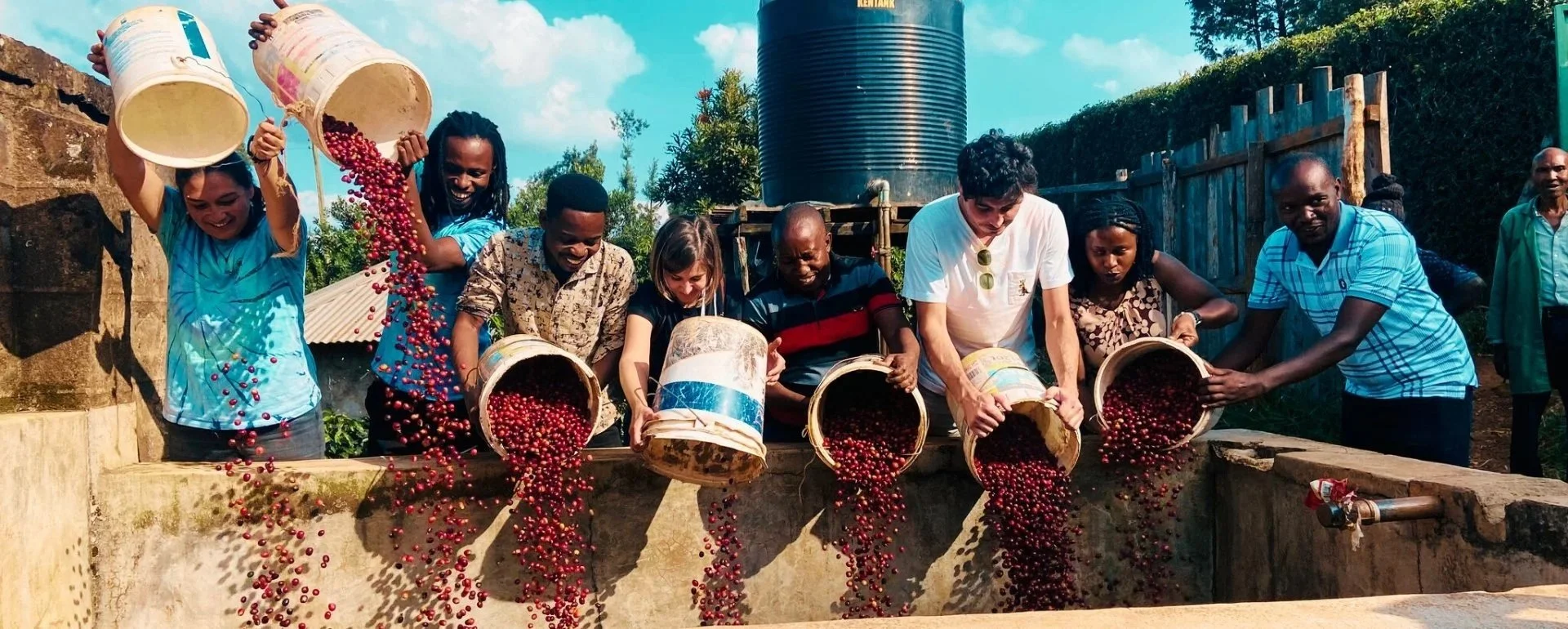
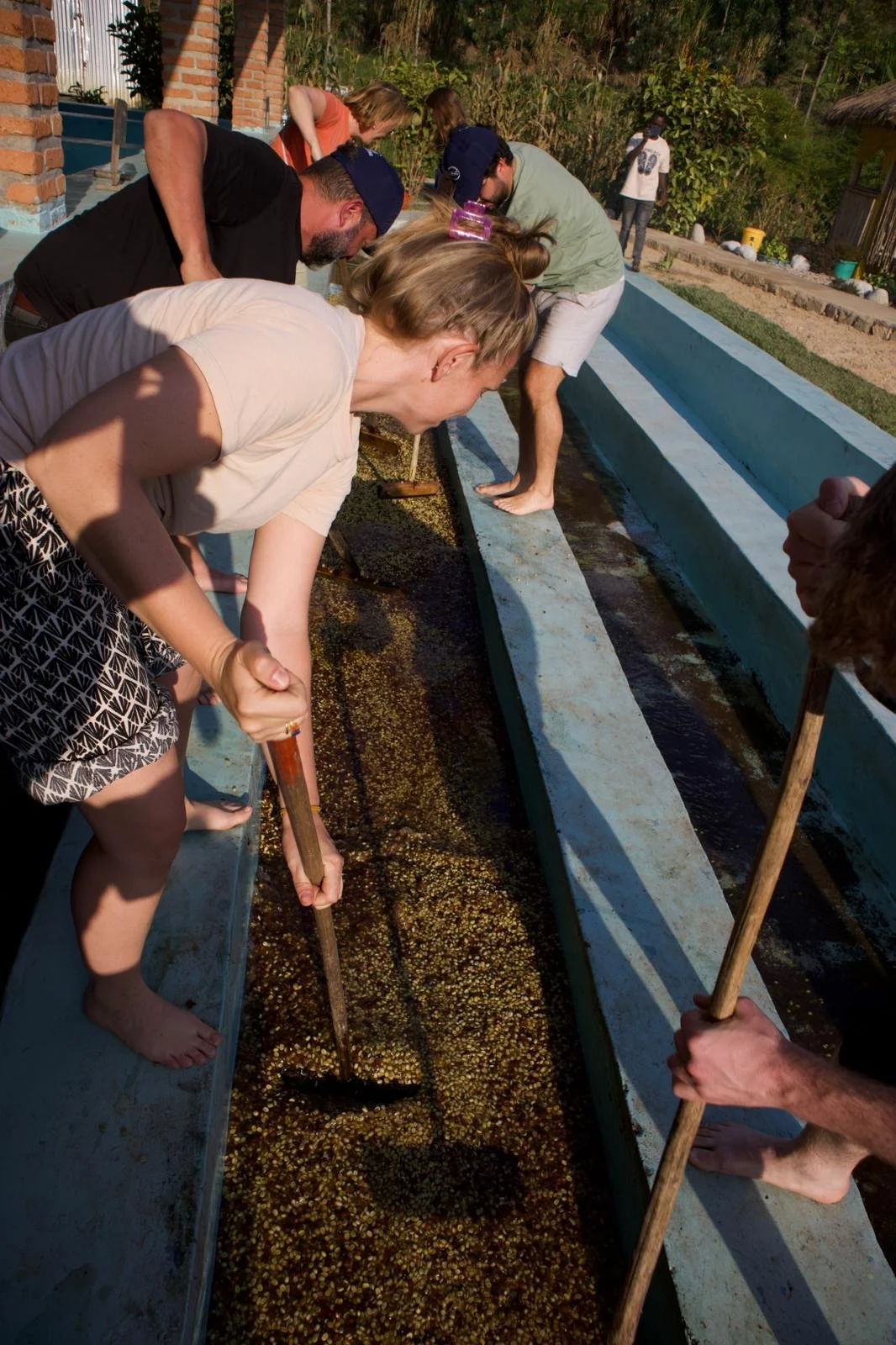
Designing leadership journeys for both destination and origin teams, grounded in direct engagement with value-chain realities, to ensure sustainability was understood not as an abstract goal but as a business and value-chain imperative.
Throughout, I worked as part of the organisation; facilitating alignment, connecting stated ambition with lived practice, and ensuring the organisation could sustain the work beyond my involvement.
The outcome
The organisation saw a clear shift in how sustainability showed up across the business:
Sustainability became a standing topic in leadership, trade, and client discussions
Teams gained the confidence and language to integrate sustainability into commercial conversations
Cross-functional collaboration improved, breaking down siloes between sustainability, trade, finance, and operations
The finance function was able to clearly articulate sustainability performance, contributing to the successful securing of sustainability-linked financing
Sustainability ownership broadened well beyond the central team
These shifts reduced execution risk and contributed to sustained growth in sustainable sales over multiple years, strengthening both resilience and competitiveness.